
Common Reducing Agents Used in Protein Experiments
Reducing agents function by breaking and reducing disulfide bonds within peptide chains and proteins. Common disulfide bond–reducing reagents include Dithiothreitol (DTT), β-Mercaptoethanol (β-ME), Tris(2-carboxyethyl)phosphine hydrochloride (TCEP·HCl), and 2-Mercaptoethylamine hydrochloride (2-MEA·HCl). For protein samples containing disulfide bonds, the proper use of these reagents is critical for the success of related experimental procedures.
1.DTT
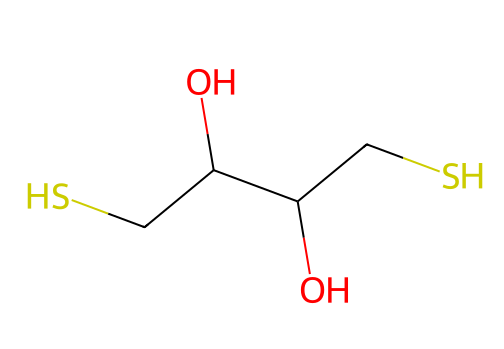
Figure 1. Chemical structure of DTT
① Physicochemical Properties
Alias: Dithiothreitol, DL-Dithiothreitol (DTT)
Molecular formula: C₄H₁₀O₂S₂
Molecular weight: 154.25
CAS: 3483-12-3
White solid, density 1.302 g/cm³. Solubility at room temperature: approximately 200 mg/mL in water, ~45 mg/mL in DMSO.
② Reduction Mechanism
DTT reduces disulfide bonds via a thiol–disulfide exchange reaction: during reduction, DTT’s two thiol groups are oxidized to form an intramolecular disulfide, simultaneously cleaving the target molecule’s disulfide bond.
The reaction is pH-dependent, showing effective reducing activity only at pH > 7, because the reactive species is the deprotonated thiolate anion (–S⁻); the protonated thiol (–SH) form is much less reactive.
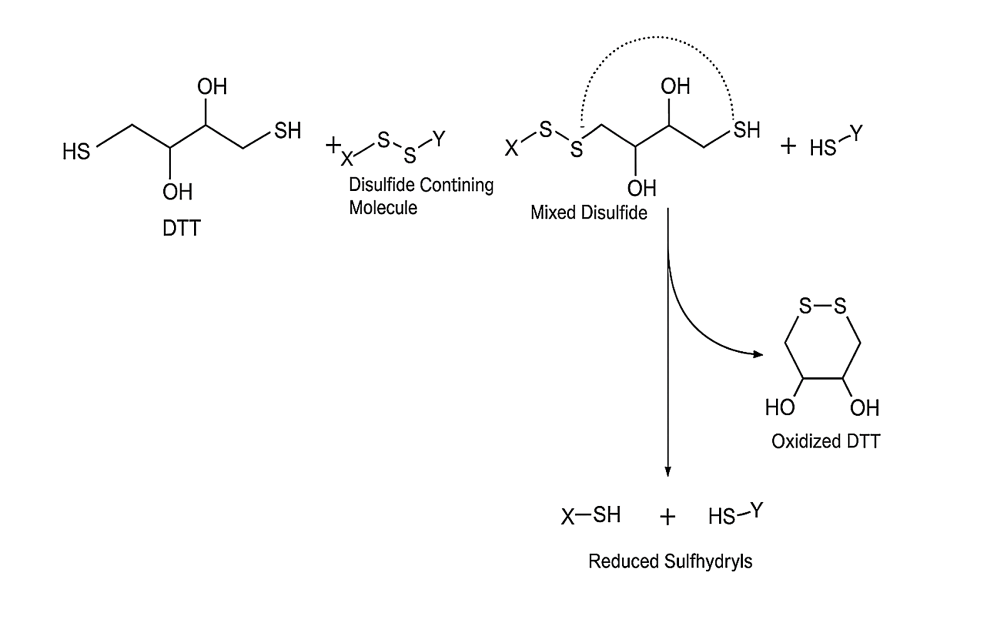
Figure 2. Mechanism of disulfide bond reduction by DTT
2. β-Mercaptoethanol (β-ME)
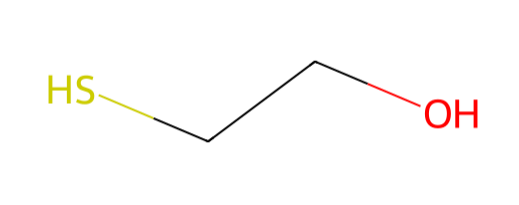
Figure 3. Chemical structure of β-Mercaptoethanol (β-ME)
① Physicochemical Properties
Alias: 2-Mercaptoethanol (β-ME)
Molecular formula: C₂H₆OS
Molecular weight: 78.13
CAS: 60-24-2
Colorless transparent liquid, density 1.115 g/mL. Miscible with water and polar solvents such as ethanol; limited solubility in nonpolar solvents.
② Reduction Mechanism and Reaction Conditions
β-ME reduces disulfide bonds through a thiol–disulfide exchange mechanism: the thiol group (–SH) attacks the disulfide bond (–S–S–), generating two free thiols while β-ME itself forms intermolecular disulfides.
It is a moderate reducing agent, typically used at 10–50 mM concentrations, and in SDS-PAGE loading buffers at higher levels (2–5% v/v).
Optimal activity occurs under basic conditions (pH > 7.5), ensuring the thiol exists in the reactive thiolate (–S⁻) form.
③ Reaction Equation
2HS-CH2CH2OH+RSSR’→RSH+R'SH+HO-CH2CH2-S-S-CH2CH2-OH
3.TCEP•HCl

Figure 4. Chemical structure of TCEP·HCl
① Physicochemical Properties
Alias: Tris(2-carboxyethyl)phosphine hydrochloride (TCEP·HCl)
Molecular formula: C₉H₁₆ClO₆P
Molecular weight: 286.65
CAS: 51805-45-9
Colorless to white powder, density 1.041 g/cm³, highly water-soluble, stable over pH ≈ 1.5–8.5.
Aqueous TCEP solution has pH ≈ 2.5. Stability decreases in phosphate buffers, particularly at neutral or basic pH, hence fresh preparation is recommended when using PBS.
② Reduction Mechanism
TCEP acts as a nucleophilic phosphine, attacking disulfide bonds to cleave them into two free thiols (–SH), while TCEP is oxidized to a stable phosphine oxide.
③ Reaction Equation

4. 2-Mercaptoethylamine Hydrochloride (2-MEA·HCl)
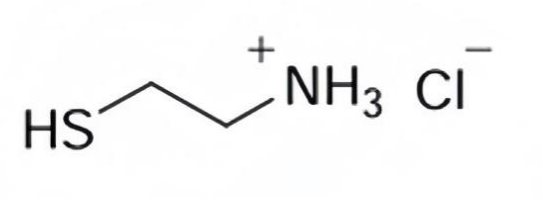
Figure 5. Chemical structure of 2-MEA·HCl
① Physicochemical Properties
Alias: Cysteamine hydrochloride, 2-Aminoethanethiol hydrochloride (2-MEA·HCl)
Molecular formula: HSCH₂CH₂NH₂·HCl
Molecular weight: 113.61
CAS: 156-57-0
White crystalline powder, soluble in water.
② Reduction Mechanism and Application Conditions
2-MEA reduces disulfide bonds through a thiol–disulfide exchange reaction, converting disulfides (–S–S–) into two free thiols.
Its free amino group can influence local binding and pH microenvironments.
2-MEA is a mild reducing agent with optimal activity under alkaline conditions (pH > 8), and is often used for selective cleavage of antibody hinge-region disulfide bonds.
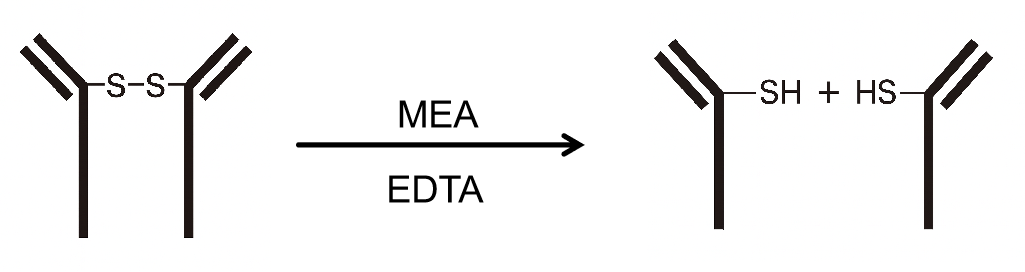
Figure 6. Mechanism of disulfide bond reduction by 2-MEA·HCl
5. Comparative Characteristics of Common Reducing Agents
Reducing Agent | Stability | Main Advantages | Main Limitations | Typical Applications |
Easily oxidized; solutions should be freshly prepared or stored at low temperature in the dark | Strong reducing power, broad applicability | Rapid oxidation and loss of activity; must be removed before subsequent thiol labeling | Complete reduction of proteins before SDS-PAGE; protein denaturation/refolding studies | |
Liquid form, stable at room temperature; volatile | Low cost, easy handling | Strong odor, irritant and toxic; requires higher concentrations | Routine sample reduction (e.g., in sample loading buffers), prevention of oxidative aggregation | |
High solution stability; effective across wide pH and temperature ranges; odorless | No thiol odor; compatible with thiol-labeling workflows; non-thiol background | Higher cost; stability decreases in phosphate buffer (PBS) at neutral/basic pH, should be used fresh | Mass spectrometry sample prep, low-pH reduction, long incubation systems | |
Moderately stable; best stored protected from light | Mild and selective; cleaves antibody hinge disulfides selectively | Weaker reducing strength, slower reaction, requires higher concentration and basic pH | Antibody fragment (Fab, F(ab’)₂) preparation; selective reduction under mild conditions |
6. How to Choose an Appropriate Reducing Agent?
Reducing Agent | Reducing Strength | Typical Working Concentration | Effective pH Range | Selectivity |
Strong | 1–10 mM | pH ≥ 7.5 | None | |
Moderate | 10–50 mM | pH 8–9 | None | |
Very strong | 0.5–5 mM | pH 1.5–8.5 | None | |
Weak | 50–100 mM | pH > 8 (better under basic conditions) | High |
Different reducing agents possess distinct characteristics in terms of chemical properties, stability, and reducing strength.Selection should be based on the protein’s structural features, experimental conditions (pH, temperature, buffer system), and subsequent steps (e.g., labeling, purification).Appropriate choice and combination of reducing agents not only ensures effective disulfide bond reduction but also maximizes the preservation of the protein’s native activity and functional integrity.
Aladdin: https://www.aladdinsci.com/